How To Repair PVC Sewer Pipe In The Ground

PVC sewer pipes stacked, with a focus on repair techniques, featuring the text "How To Repair PVC Sewer Pipe" in bold at the bottom.

If you have PVC sewer pipesin the ground, they will likely leak. Although PVC is durable, regular use can cause natural deterioration and cracks. This can lead to flooding your property or sewage backup into your home. If this happens, you’ll need to repair the damaged pipe as soon as possible.

Here are some tips on repairing PVC sewer pipes in the ground.

Find the Broken Pipe

To locate the damaged section of pipe, which is probably near any obvious evidence of damage, such as sinkholes or wet patches, you will first need to dig a hole into the earth. Once you’ve located the broken section of pipe, dig down behind it by another six inches. We’ll have greater room to maneuver as a result of this.

Split the Pipe Open

Cut on both sides to repair the broken section of the pipe. To cut the pipe more precisely, measure and mark it two inches on either side of the break. The materials used to construct the pipe will dictate the appropriate cutting equipment. The hacksaw will work on a lead pipe. If your pipes are cast iron, you should use a saw with a metal-cutting blade.

Create a New PVC Pipe Section

As a first step in installing a new PVC pipe, measure the length of the damaged section you cut out to estimate the size of the new pipe you’ll need to install. Leaks can occur if the new pipe is a different diameter than the old one. Then, connect the new section of PVC pipe to the old sections by inserting flexible rubber couplings into the pipe ends. Slide the new pipe portion over the old pipe, and slide the flexible couplings over both.

Seal the Hole

Put fine gravel around the pipe for support before filling in the hole.

What Materials Are Needed to Fix the Ground PVC Pipe?

Either Silicone Or Rubber Repair Tape

Hardware stores sell a variety of heavy-duty, thick, stretchy (gummy) tapes explicitly made for short-term PVC pipe repairs. You can apply much compression to the repair because these tapes expand while adhering to themselves.

Epoxy Repair

These are applied to the broken pipe part as instructed, letting the pipe idle while it firms up, and come in putty or liquid form.

Fiberglass Wrapping

In this case, utilize a fiberglass fabric that has already been saturated with resin. Again, this stopgap will only work for a short time.

Clamps And Rubber Hose

You can wrap some rubber hose around the broken pipes and tighten it down, compressing the rubber at both ends of the rubber hose and clamping it on both ends.

Conclusion

Contacting a professional is likely the most straightforward option for fixing PVC sewer or noisy PVC drain pipes. Repairing PVC pipes is now possible without breaking home slabs or uprooting gardens, thanks to advances in composite resin and trenchless plumbing technology. ContactGray Plumbingtoday for more information about your PVC pipe repair options. We have advanced plumbing tools and technologies that make repairing your pipes fast, easy, and cost-efficient.

Why Is My Water Heater’s Relief Valve Leaking?

Why Is My Water Heater's Relief Valve Leaking

Both the water heaterand your home can be kept safe by installing a pressure relief valve. When the relief valve begins to leak, you may become concerned about what is causing this problem. Today, we’re going to answer several questions on why a temperature pressure relief valve could leak—from common causes down to signs that it’s time for professional repair.

What’s the Function of a Water Heater’s Relief Valve?

The thermal expansion causes the pressure within a water heater tank to increase as water is heated. If this pressure becomes excessive, your water heater could explode. The temperature pressure relief valve is a preventative measure against this issue. If the temperature or pressure in your tank exceeds a certain threshold (often 210 degrees and 150 psi), the relief valve will open and allow water to drain from the tank. The tank is then filled with cold water to reduce the internal temperature and pressure.

Why Might The Relief Valve On Your Water Heater Begin Leaking?

Your water heater’s relief valve may begin leaking for two reasons: it was triggered to open by excessive temperature or pressure, or the valve itself is defective. The valve will drain water from the discharge pipe in the first scenario. It may appear to be a “leak,” but the relief valve is performing its function. If the issue is a malfunctioning valve, you may have an actual leak. For instance, the valve may not seal properly or become stuck and remain open (allowing water to drain out continuously).

How Do You Fix a Leaking Water Heater Relief Valve?

Regardless of what caused your relief valve to leak, you should immediately contact a professional plumber. If the valve is frequently triggered, they can determine why the water heater’s temperature or pressure is getting too high and fix the issue. If the relief valve leaks, they can replace it with a new one (a general water heater repair). If there’s no visible damage to the tank, have them check for leaks in the lines leading from your water heater.

What Measures Can You Take To Avoid Water Heater Problems?

Learn How Your Water Heater Operates

Water heaters can be scary, particularly for those with limited technical knowledge. Learn how the water shutoff valve, drain valve, thermostat, and pressure relief valve in your water heater work and what they’re used for. This facilitates frequent maintenance and ensures a thorough comprehension of any faults.

Insulate The Water Heater And Pipes

By insulating both the cold and hot water pipes, condensation is prevented, and heat loss is reduced. This helps to prevent the water heater from overheating and reduces energy costs.

Conclusion

A leaking water heater relief valve can be a significant problem. If you don’t periodically check your water heater for signs of damage, leaks, or other issues, it could cause extensive damage to your home that you will only realize once it’s too late. Contact Gray Plumbingtoday to schedule a water heater serviceand check the relief valve on your water heater. Our expert technicians will ensure that your system is properly functioning so that you never have to worry about a leaky relief valve again.

Is A Tankless Water Heater More Efficient

Is A Tankless Water Heater More Efficient

In recent years, tankless water heaters have gained popularity as a space-saving replacement for the bulky conventional tank heaters used by many households and businesses. Tankless water heaterscan last up to four times as long as their tanked counterparts while using significantly less space, less energy, never running out of hot water, and being more environmentally friendly.

If your water heater has reached the end of its useful life or you want to upgrade your water heating system, talk to a reliable plumber about your needs. They can explain the ins and outs of the many water heater options so you can make an informed choice.

What Is a Tankless Water Heater?

As they only heat water when needed, tankless water heaters are more efficient than their storage tank counterparts. Cold water goes through the tankless unit and is heated using gas or electricity to provide a continuous hot water supply until the tap is turned off. Due to this, they are also referred to as instantaneous or demand-type water heaters.

Benefits of Tankless Water Heaters

Tankless water heaters offer several advantages over conventional storage tank models, including:

Endless Hot Water Supply

A tankless heater uses burners to swiftly heat water through a conduit inside the unit, allowing an infinite supply of hot water to flow as needed to your kitchen faucets, shower, and washing machine.

Longer Life Span

The longevity of a tankless unit is a significant advantage. The usual warranty on a tank water heater is only six years, but a tankless water heater has a much longer guarantee of fifteen.

Energy Efficient

With daily usage of about 41 gallons, the U.S. Department of Energy estimates that a tankless water heater will save you 24% to 34% in energy costs compared to a storage-tank water heater. Even doubling that amount, they are still 8% to 14% more efficient. Installing a tankless water heater in every location where you need hot water can save you up to 50% on energy. This is a significant improvement over a storage-tank water heater.

Space Saver

Tankless water heaters also save up space in the home that a huge water holding tank would otherwise take up. They can also be installed in locations where a storage-tank water heater would not fit.

Saves Money

You’re saving money because you’re consuming less energy. A tankless water heater will really pay for itself in a matter of years, especially if you reside in an area with high energy expenses. It can definitely save you money in the long run by reducing your energy costs and increasing the efficiency of your home’s hot water system.

Final Thoughts

A tankless water heater is an excellent choice if you want to save money in the long run, increase your home’s energy efficiency, and are willing to make a significant financial commitment upfront. We at Gray Plumbingare proud to offer the best and most reliable tankless water heaters today. We’ll be happy to help you select the suitable model for your home and provide installation and repair serviceswhen needed.

When To Drip Faucets In Cold Weather

When To Drip Faucets In Cold Weather

Many consider turning our faucetson a drip to avoid freezing in cold weather. Because moving water freezes slower than standing water, a water drip can help keep pipes from freezing. But when is the most appropriate time to do so? Let’s start with the fundamentals.

What Exactly Are Dripping Faucets?

Moving water is less vulnerable to freezing than still water. If your pipes are constantly dripping, this can help keep them from freezing. The water doesn’t need to be warm for this to work. The goal of this method is not to melt already-frozen ice but to keep water from freezing in the first place. Because your home’s cold and hot water is most likely separated, you only need to be concerned with the cold water plumbing.

When Are You Going To Let Your Faucets Drip?

When the temperature falls below 20 degrees Fahrenheit (-6 degrees Celsius), at least one faucet should be turned on. Keep an eye on pipes that remain in attics, garages, basements, or crawl spaces because temperature levels in these unheated interior areas often mimic outside temperatures.

The pipes in basements, crawl spaces, attics, kitchen cabinets, and garages will cause the most problems when breaking, bursting, and freezing. This is because they are exposed and lack the insulation that other pipes in your home have.

How to Avoid Frozen Pipes

Here are some helpful hints to keep your pipes from freezing:

  • Before winter, drain, remove, and store your outdoor hoses.
  • Examine all of your other water supply lines, both inside and outside your house. In unheated areas, insulate any hot or cold pipes (and you may even want to consider having a plumber do this for you).
  • Seal cracks and any penetrations into the building and windows and doors as part of your regular pre-winter maintenance. Checking your insulation and adding more as needed protects against frozen pipes, as does keeping your heat sources operational to avoid shutdowns.
  • After removing stored chemicals from cabinets and storing them in a secure location out of reach of children, leave your kitchen and bathroom cabinets open to allow warm air to reach the plumbing.
  • In extreme cold, ensure your heating system and other heat sources are operational. Check potential problem areas such as basements or attics, especially if the pipes are in contact with an outside wall.
  • Allow cold water to drip from a faucet served by exposed pipes if temperatures drop significantly. This prevents the pipes from freezing.

Final Thoughts

Running water keeps pipes from freezing, but only partially. While the water remains liquid while flowing, it can freeze at extremely low temperatures if left inside the pipe for an extended period. When a faucet drips, it relieves pressure in the pipes by allowing water to drip out that has accumulated due to freezing temperatures.

If you have any questionsor are concerned about the condition of your plumbing, please contact Gray Plumbing. The sooner we inspect your plumbing, the sooner we can stop or avoid a major disaster in your home. We have a lot of experience with treating pipes that have been damaged by weather.


How To Detect A Slab Leak

How To Detect A Slab Leak

The concrete foundation beneath your house is a slab in the plumbing and home services industry. Your home’s water lines run beneath this concrete slab. A leak in these water lines can result from a shift in your foundation (possibly caused by an earthquake or other disaster), poor placement/installation, or general corrosion. Because plumbing slab leaks can occur on either the pressure or drainage side of your foundation, you may notice them on either side of your property.

Tips for Detecting Early Slab Leaks

Floor Splotches

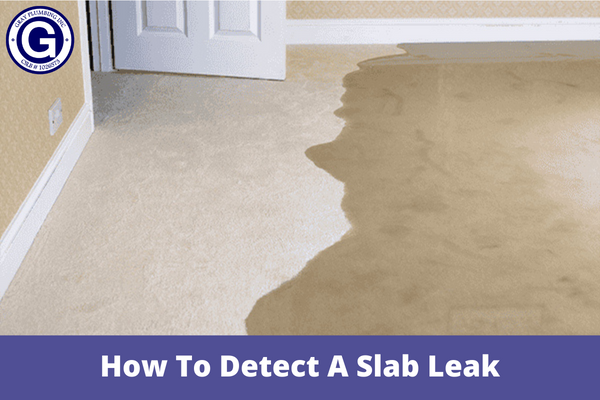
A spot does not always indicate a dry paste that fell on the floor a few days ago. It could tell something serious, such as a leaking slab. Spots suggest that the hot water lines running beneath the slab are broken or have holes. Warm spots are common because hot water accelerates corrosion caused by chemical reactions on the pipe.

Water Bills Have Increased

Your water bill may occasionally increase for no apparent reason. If your consumption rate is consistent and you notice a sudden increase in water bills, you should look into it further because it could be a slab leak. 

Water Rushing Against The Walls

The sound of running water in your walls is a dead giveaway that you have a slab leak. Close all running faucets in the house and listen for any sounds from the walls to determine if this is the source of the problem. Examine the water meter on the wall. If you see the pointer running, this indicates a hidden running source, which could be a slab leak.

Low Water Pressure 

Debris in the water, faulty valves, mineral buildup in the pipes, and water leaks are all common causes of low water pressure. If all other possibilities have been exhausted, the low water pressure will most likely result from a slab leak. Determine all water points in your home to determine the specific cause of low water pressure. Run the water to identify the low-pressure areas.

The Foundation’s Motion

A leaking slab can cause foundation cracks and movement. Water seeps through the slabs and moves downward until it reaches the foundation. It disrupts the overall stability of the concrete and contributes to settlement. Settlement causes movement and cracks due to the house’s instability and overlying pressure. As a result, don’t dismiss any foundation issues.

General Household Issues

Aside from foundation issues, slab leaks cause general house problems. Cracks in the walls and floors and the general odor in the compound and inside the house are examples of such issues. Inform our repair specialist of any additional problems to assist him or her in determining the best repair method.

Conclusion

A slab leak can be noticed on the surface of your property, but it’s best to have an experienced plumberdetect and repair the leak as soon as possible. Gray Plumbinghas the tools and experience to find the source of your leak and fix it quickly. We offer a free estimate, so call us today!


What Is Involved In Repiping A House

What Is Involved In Repiping A House

If you are a homeowner, you have experienced, are currently experiencing, and, dare we say, will encounter many piping problems in the future! This is what you receive when you purchase or construct a home. But even if a simple fixture or minor repair usually suffices, you may need to repipe your entire house one day.

Inspection

You can only fret if you know the type of work they must do. An examination by a plumbing expert, who will listen to the issues you’ve been having and search for indicators of the type of work you need to do, is the first stage in the repiping procedure. You can only know what goes into repiping a house by conducting a comprehensive inspection.

Estimation And Suggestions

Your repiping expert will present their recommendations to you after they have completed the inspection. They will suggest the best course of action, including which materials are ideal for your case and what repair is most necessary, based on the age of your home, the layout of your plumbing, your demands, and any other pertinent details.

You could need to replace the entire thing or only a portion. If you merely execute a small piece of the work or repipe your home gradually, it is crucial to consider how much you are ready to risk your house. However, if your pipes are in danger of breaking, it can be more cost-effective in the long run to complete the entire repair at once.

Demolition

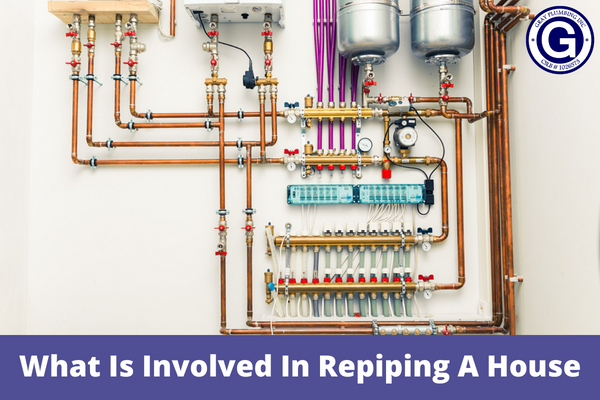
Once you agree to the estimate, the experts can begin their work. You can see how much goes into repiping a house if you watch for a short while. They handle everything, from identifying the pipes in ceilings and behind walls through demolition and installation.

Good plumbers will take precautions to safeguard your property from any potential water damage while performing repairs, covering furniture with plastic sheeting, and moving household items as needed. Additionally, all water lines need to be shut off and drained.

Piping

Your plumberwill cut the necessary openings, separate your old pipes and install the new ones. If possible, they’ll try to enter the bottom floor’s ceiling for pipes on your floor.

Your plumberwill need to restart the water lines when the repiping is complete to test the new pipes and check for leaks. Your expert will ensure that any leaks are plugged if there are.

Final Inspection and Completion

After installing your pipes, the work will require a professional examination. Your plumbercan repair the drywall and repaint your walls to make them appear brand new once the inspector has given the all-clear.

Conclusion

The size of your house and the number of bathrooms you have will determine how long the repiping process takes. A plumbermay finish modest residences in as little as two days. Larger homes, however, can require up to a week. Want to learn more about what goes into repiping a house? Speak with Gray Plumbingprofessionals.

7 Plumbing Tips For New Homeowners

Plumbing Tips For New Homeowners

Being a first-time homeowner comes with many new responsibilities, including taking care of your plumbing. You may have dealt with clogged garbage disposal or even assisted family members in patching up a leak, but dealing with plumbing problemson your own and in your own home is an entirely different story. In this blog post, we’ll cover some tips for new homeowners to help you get started on the right foot with your plumbing.

Locate The Main Valves

Every home has a central line shut-off valve in the basement or crawlspace, near the water heater, under the kitchen sink, or in a covered utility box. Ask your inspector or real estate agent if you’re unsure where it is. During a plumbing emergency, turning off your main line reduces the likelihood of water flooding your home and destroying your property. 

Clean Drains Regularly

Clogs can be a major nuisance, but if you clean your drains regularly, they won’t get clogged in the first place! Kitchen and shower drain accumulate a lot of debris, dirt, grease, hair, and soap, which leads to clogging. Install a catcher or remove solid objects to keep them from falling into the drain. Unclog any debris you find and follow it up with a mixture of baking soda and vinegar. This will help prevent buildup from occurring again.

Check for Leaks

You might think you know where all your plumbing is, but it’s important to double-check. Check for leaks in your water heater and toilet tanks and any pipes leading away from them. Look closely at the floor around each fixture to see if moisture is present or if there are spots of discoloration. If so, you leak! Repair it immediately by calling a plumber.

Get a Heating And Plumbing Inspection

Heating and plumbing inspections are required to prevent plumbing problemsfrom causing damage to your home and costing you a lot of money. Regular inspections reveal problems early on and help determine which repairs should be made immediately.

Make Your House Pipes Weatherproof

Protecting your home pipes, particularly during the colder months, will save you a lot of money (and headaches) in the long run. You can prevent frozen pipes by keeping the temperature in your home above freezing, insulating your water pipes, and allowing a bit of water to drip from faucets during cold weather. 

Have Your Emergency Items Ready

You need to have your plumbing kit within your reach always. When an emergency occurs, such as a water leak, you should gather your tools and prepare to solve the problem. A plunger, paper rolls, duct tape, a screwdriver, and towel rags are necessary for the job.

Don’t Hesitate to Call a Plumber

Don’t hesitate to call a plumber when you have a plumbing emergency. It’s important not to try and fix the problem yourself if you aren’t sure what you’re doing. You could end up making things worse or causing damage that will cost more than just hiring someone who knows what they’re doing in the first place.

Gray Plumbingcan help you with all your plumbing needs. Our team is trained, experienced, and ready to go in an emergency. We’ll be there when you need us and will work quickly so that we can get the problem resolved as soon as possible.

3 Reasons Why Bathroom Sinks Get Blocked

3 Reasons Why Bathroom Sinks Get Blocked

What may cause your bathroom sink to become clogged? Your bathroom drains only allow toothpaste, water, and soap to pass through them. How are they accountable? It appears that they are at least partly to blame. We can isolate the four most likely causes of your sink’s obstruction. Let’s examine the causes of the recurring water buildup in your bathroom sink.

Soap Scum

When calcium and magnesium ions in water interact with compounds in soap, soap scum typically results. A filmy, chalky substance slowly accumulates on the pipe walls’ surfaces. This substance, like hair, catches itself and other objects that fall and forms a slow-growing obstruction. Because it’s sticky, soap scum can produce extremely annoying clogs. Without a snake or other specialized instrument, it can be challenging to remove accumulated soap scum away from pipe walls.

If you use a water softener, soap-related blockages are less likely to occur, but they still can. Some soap may adhere to walls if too much is poured down the drain, which could lead to a buildup. The clogs described above can also be caused by heavier chunks of soap stuck in the p-trap. Even the pipes could be harmed by potent, gritty soap, causing corrosion or rust blockages.

Clogged P-Trap

Your bathroom sink’s bending drain pipe is called a P-trap. It is situated immediately below the sink. It joins the drain from the sink to the giant drain pipe that leads to the sewer. P-traps bend to stop sewage gas from floating back into the drain and becoming toxic and foul-smelling. Additionally, the P-bend trap stores water, contributing to the suction necessary for a drain to clear. The issue is that bathroom sink P-traps frequently catch other objects.

Unexpectedly small objects can catch in the p-trap. Your P-trap can become clogged by rings, earrings, bits of soap, and even oil. If your P-trap is not emptying, you may hear an odd stuttering sound when water flushes down the drain. Most p-traps are relatively simple to remove from beneath a sink manually. You can usually resolve the problem by clearing the p-trap using an old toothbrush or other tools. When you remove the P-trap, make sure you have a bucket beneath!

Damaged Pipes

Various types of pipe damage may clog your sink. Rust accumulation on the inner pipe walls caused by corroding pipes can limit water flow. If sufficiently damaged, dented pipes restrict or stop the water flow. Even pipe joints can deteriorate or separate, which may cause pipes to sag and obstruct water flow. If pipes are not firmly secured, they may move over time and eventually become detached or displaced.

It’s challenging to avoid pipe damage altogether. All pipes eventually become old, and when they do, they corrode or degrade. Installing new replacement pipes is the only proven remedy in such cases. Are your pipes attached firmly? Are they in a vulnerable location to damage? Call in the expertsfor a replacement bathroom sink drain if you’re at your wits’ end attempting to solve the issue.

Conclusion

Hopefully, you’ve figured out why your bathroom sink keeps filling up with water and what causes bathroom sinks to clog. But whatever the reason for your obstruction, there is a remedy. Gray Plumbingcan help if you need assistance keeping your bathroom drain flowing. We’re glad to assist you in figuring out the bathroom sink challenge. 

5 Plumbing Tips Every Homeowner Should Know

Plumbing Tips Every Homeowner

Maintaining your home’s plumbing system should be one of your top priorities. To keep their homes in good shape, homeowners should know basic plumbing concepts. Whether you’re a first-time homebuyer or have been living in your house for years, there are many useful plumbing tips and tricks that everyone should know. These helpful tips will save you money, time, and hassles in the long run.

Know Your Main Water Shutoff Valve

It’s important to know where this valve is so you can turn off the water supply anytime. If there’s a leak or you’re planning on working on your plumbing system, it’s a good idea to turn off the water before starting work. Most homes have a main water shutoff valve, usually located in the utility closet, basement, or under sink in the kitchen. If you’re unsure, ask a professional plumberto show you where it is.

Regularly Inspect Your Pipes

Inspecting your pipes regularly for signs of leaks or damage is a good idea. It is much easier to fix a problem if you catch it early. If you’re going on vacation, you should also check your pipes, as a burst pipe can cause much damage if left unchecked. When inspecting your pipes, look for cracks, leaks, or drips. Check to see if your pipes are beginning to rust. If you notice any of these issues, address them as soon as possible.

Flush Your Water Heater Yearly

If you’re handy around the house, you should flush your water heater tank once a year to eliminate lime and deposits (follow the manual’s instructions for this). These minerals accumulate over time and impair the operation of your appliance. If you are unsure about doing the job yourself, hire a plumber. This simple task can extend the life of your water heater.

Don’t Dispose Of Food In The Sink

It might not seem like a huge thing to throw food down the drain, but doing so might lead to expensive plumbing repairs. Food can become stuck in your drains and cause them to clog. Pests such as rats and cockroaches may also be drawn to it. So, ensure to properly dispose of food and avoid putting it down the sink.

Know How to Check for Leaks

If your water bill is higher than normal, but you haven’t used more water, there may be a leak somewhere in your house. To find out, turn off all appliances and faucets that use water and then check the meter. If it’s still moving, there’s a leak. You may want to call a plumberto find the leak’s source and stop it before more money goes down the drain.

Final Thoughts

Follow these plumbing tips and tricks and keep your pipes working smoothly. But don’t ignore leaks or other problems—get a professional plumberto assess them ASAP. Gray Plumbingis available to help promptly with all your plumbing needs. From installation and maintenance to repairs and drain cleaning, we provide a full range of plumbing services for homes and businesses. Call us to schedule an appointment today!

5 Ways to Unclog the Toilet

5 Ways to Unclog the Toilet

A clogged toilet is never a good thing. When the water doesn’t drain, you’re in a messy, embarrassing situation that can completely destabilize your household. Fortunately, most toilet clogs are simple to remove. All you need are the right tools and techniques. The following five tips will help you unclog the toilet in no time at all.

Hot Water And Dish Soap

Dish Soap

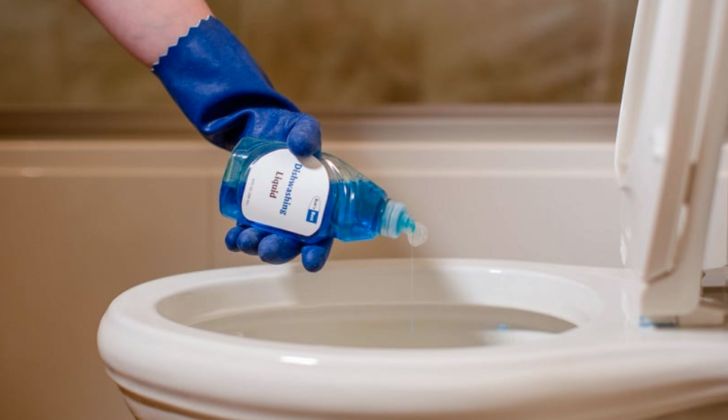
Dish soap and hot water can lubricate and dissolve clogs caused by excessive toilet paper use. This trick is also helpful if you don’t have any toilet-unclogging tools on hand.

Pour about a half-cup of liquid dish soap into the toilet & let it sit for 20 or 30 minutes to absorb through the water. Fill a gallon-sized container or an old pitcher with hot water. Pour it into the toilet bowl, but be careful not to splash yourself—or anyone else—with the hot water. If everything goes well, your toilet should begin draining again!

Plunging

Plunging

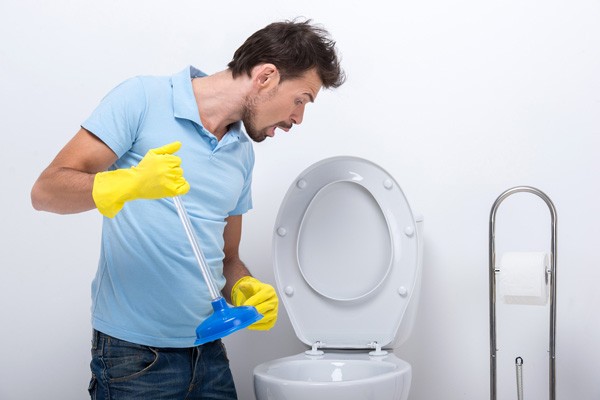
The first thing you probably do if your toilet is clogged is reached for your plunger. To begin, ensure that your plunger has a flange. The flange on a plunger is the fold-out rubber ring that forms a tight seal over your toilet. Suction cup plungers are ideal for sinks and showers. Before using the plunger, briefly immerse it in hot water. This will soften the rubber and assist the plunger in forming a seal.

Enzyme Waste Removal Agent

Enzyme Waste Removal Agent

Enzyme waste removal solutions are used in septic systems to break down waste. These can also be used to clear a clogged toilet. Follow the instructions on the package when using the waste removal product. Pour the liquid into the toilet bowl and let the enzymes break down the clog overnight.

Vacuum Cleaner (Wet/Dry)

A wet/dry vacuum can often be used to unclog a toilet. Do not, however, attempt this method with a standard household vacuum. It is not designed to withstand water.

Empty the water from the bowl with the wet vac, so it does not overflow or splash out. Wrap an old towel or rag around the vacuum hose and use it as a plunger against the toilet drain. Apply pressure to the vacuum hose to achieve the tightest seal possible. Start the vacuum and wait for the toilet to unclog. If unsure, turn off the vacuum and wait for the toilet to drain.

Vinegar and Baking Soda

Vinegar and Baking Soda

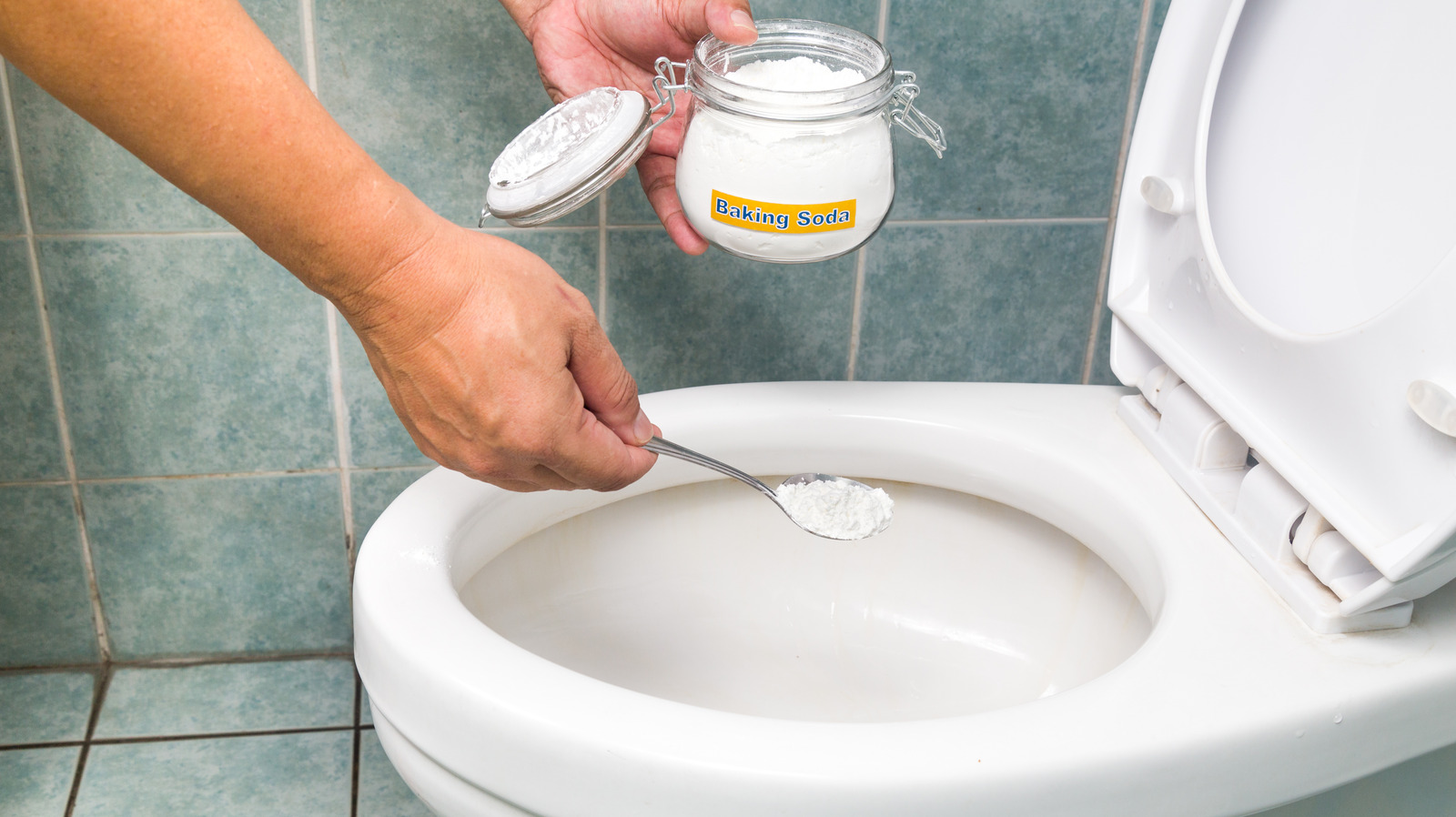
A baking soda and vinegar mixture, similar to the dish soap and hot water method of clearing a toilet clog, can restore functionality. Baking soda and vinegar react fizzily and foamy. Unlike corrosive drain cleaners, baking soda and vinegar are safe and will not harm your plumbing. 

Final Thoughts

Hopefully, this post will save you from the existential dread that a toilet clog can cause. However, if you continue to have toilet problems, please give Gray Plumbinga call! Our experienced plumbersare ready to help you with any plumbing issues, large or small. We’re here to make your life easier!