Amazing Benefits of Installing a Bidet Toilet Combo

Bidet toilet combo with modern design and control panel, featured in a remodeled bathroom setting.

Have you ever wondered how a bidet toilet combo works in a hotel and probably thought about installing it in your own home? And you are also one of those meticulous people looking for information about the amazing benefits of installing a bidet? Well, the following details are for you, so keep on reading.
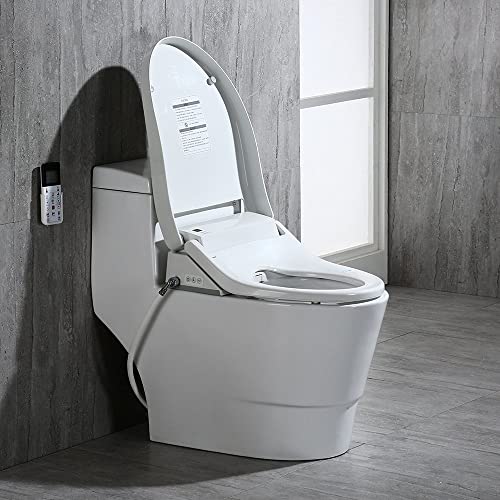
Bidet toilet combo with modern design and control panel, featured in a remodeled bathroom setting.

Bidet is one of the best technologies of human creation. It has been used in modern plumbing systems worldwide since at least the 1800s, though it is much more popular and even required in some countries than others. Nowadays, the new trend is to have a bidet toilet combo because it combines the benefits of a toilet with the effectiveness of a bidet. As a result, a bidet toilet combo is for the individual who wishes for everything in one place. They are both functional and beautiful embedded units that combine toilets and bidet seats.

Installing a bidet toilet combo provides the utmost cleanliness and comfort, but it will necessitate the installation of additional plumbing lines and the services of a specialist. Once completed, its installation is not the massive, time-consuming effort you believe it would be. It provides several advantages. The following are the amazing benefits of installing a bidet toilet combo.

1.It Saves Space In Smaller Bathroom

Combining the two into one unit allows for installation in even the tiniest bathrooms is the best. If you’re planning a bathroom redesign, you should think about installing a bidet toilet combo.

2.It Is An Environmentally Friendly Bathroom Solution

The usage of toilet paper contributes significantly to deforestation. You can get away with using very little toilet paper. So, if you want to do your part to protect the environment, install a toilet bidet combo.

3.It Offers A More Sanitary Cleansing And Improves Hygiene

A bidet toilet combo is a more effective and sanitary technique to clean your private parts. Instead of rubbing and agitating the area with paper, use water to clean it gently.

4.It Is Cost-Efficient That Considers The Money You Could Save

Depending on the size of your household, you may save a few hundred dollars per year by drastically lowering your reliance on toilet paper over time. The money you save on toilet paper will rapidly pay for a bidet toilet combo installation.

5.It Is Highly Easier To Install And Will Make Your Plumbing System Smooth

Look at the bidet toilet combo if you want to reduce plumbing troubles. When you use less toilet paper, you lessen the number of blockages in your system. These seats now work with your current toilet, providing modern plumbing and a nearby electrical outlet, and all you need is a wrench to install them. 


When you consider these characteristics, functionalities, and, most importantly, the amazing benefits, it is simple to pick the best bidet toilet for your need. Are you ready to update your bathroom? Gray Plumbing will assist you in selecting and installing your new toilet bidet combo. Contact us, and then you will surely experience the assortment of high-quality services you are looking for!

How to Remove Rust Stains from Your Sinks, Tubs, and Toilets

Rust stains are a common problem when it comes to your sinks, tubs, and toilets. They can be especially difficult to remove because rust is a mineral that has a stronger bond than the materials from which your sinks and toilets are made.

Fortunately, there are several ways you can remove rust stains from these surfaces. Here are some tried-and-true methods for removing rust stains from sinks, tubs, and toilets:

Scouring Pad

If your sink or tub is constructed of porcelain or enameled metal, use a scouring pad to remove the rust. You can buy these pads at grocery stores and hardware stores. The pads are abrasive and will remove the rust from porcelain and enameled surfaces without damaging them. Scrub the rust stain with the scouring pad until it’s gone. Once you’ve removed all traces of rust, use a clean cloth to wipe away any remaining residue from the surface.

Stack of green scouring pads for cleaning rust stains from porcelain and enameled surfaces.

Pumice Stone

Pumice stone for removing rust stains from sinks, tubs, and toilets, showcasing its porous texture ideal for tough stain removal.

If there’s still a visible stain after using the scouring pad or steel wool, try using a pumice stone to remove it. The porous nature of pumice makes it ideal for getting rid of tough stains like rust since it can reach into crevices where other materials won’t be able to reach. Simply rub the stone against the stained area until all traces of rust are gone.

Vinegar

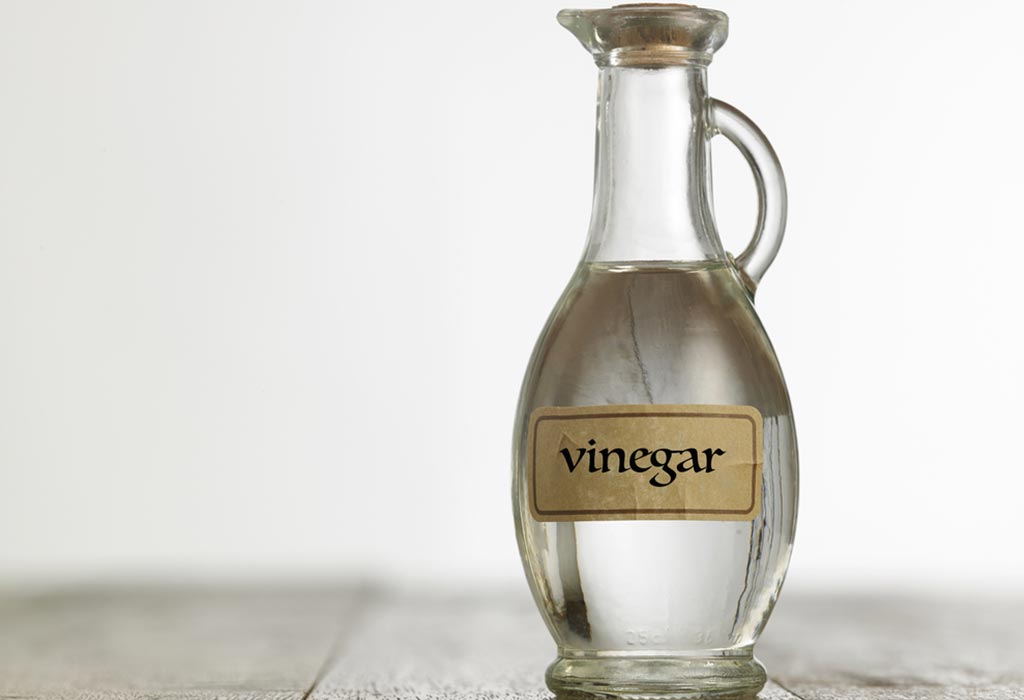
Vinegar in a glass bottle labeled "vinegar," featured as a natural cleaner for removing rust stains in plumbing maintenance.

Vinegar is another natural cleaner that’s great for removing rust stains. Pour vinegar over the stain, let it sit for 30 minutes, and then scrub it away with a sponge or cloth. Be sure to rinse thoroughly afterward, so there’s no vinegar left behind; if there is, it could cause damage to your porcelain enamel surface when you wash your hands or take a shower later on.

Baking Soda

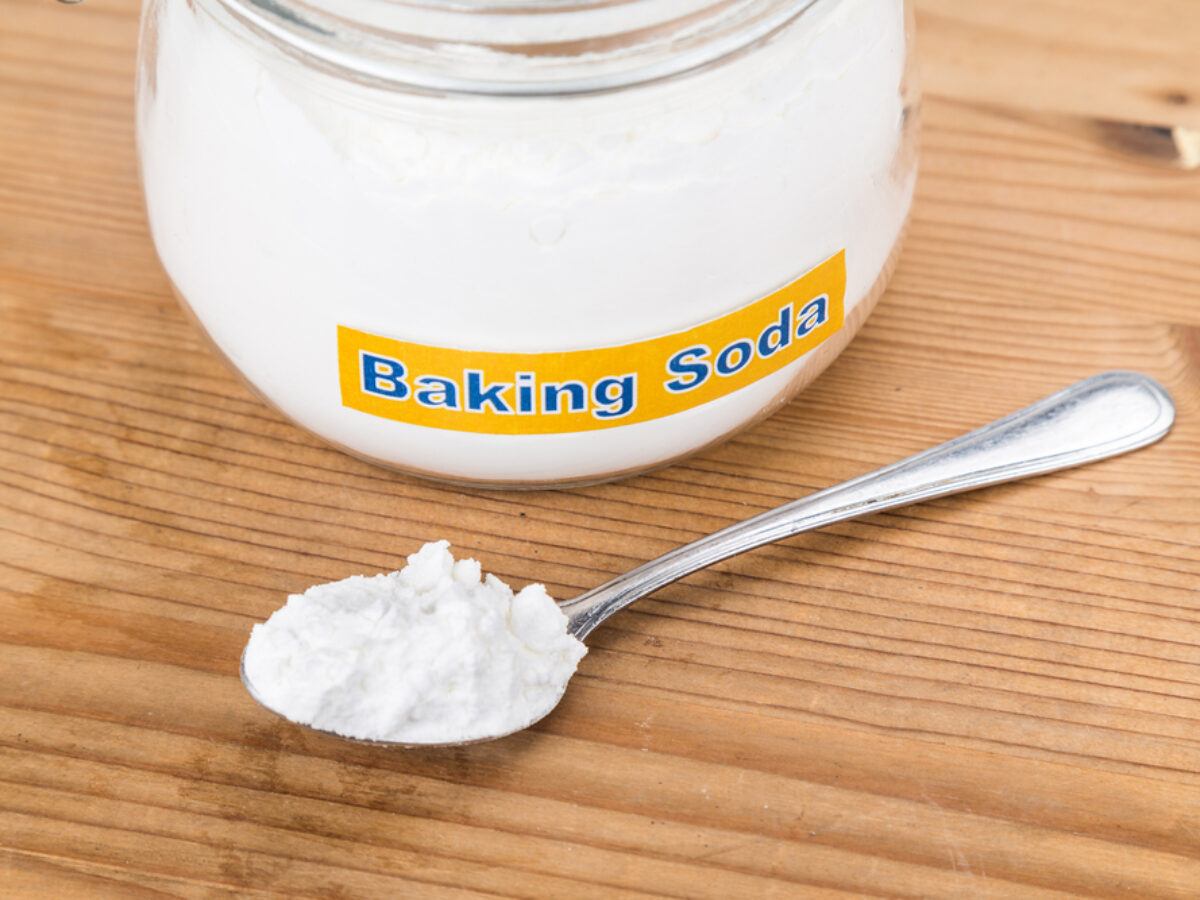
Baking soda is an excellent rust remover. The best approach to apply it is to liberally sprinkle baking soda on the rust stain and then leave it to sit for a few minutes. Use a brush or scrubber to gently rub off the rust stains. Rinse with warm water, and then dry with a clean rag.

Baking soda in a glass jar with a label, alongside a spoonful of baking soda on a wooden surface, emphasizing its use as a natural rust remover in plumbing maintenance.

Bleach

Bleach can be used as a quick fix for rust stains. Fill a spray bottle halfway with one part bleach and three parts water. Spray the mixture onto the rust stains, and then scrub with a scrub brush or cloth until the rust is removed. Before using again, thoroughly rinse with warm water and dry with a clean rag.

Bleach bottle labeled for rust stain removal, emphasizing quick cleaning solutions for plumbing issues.

Chemical Cleaners

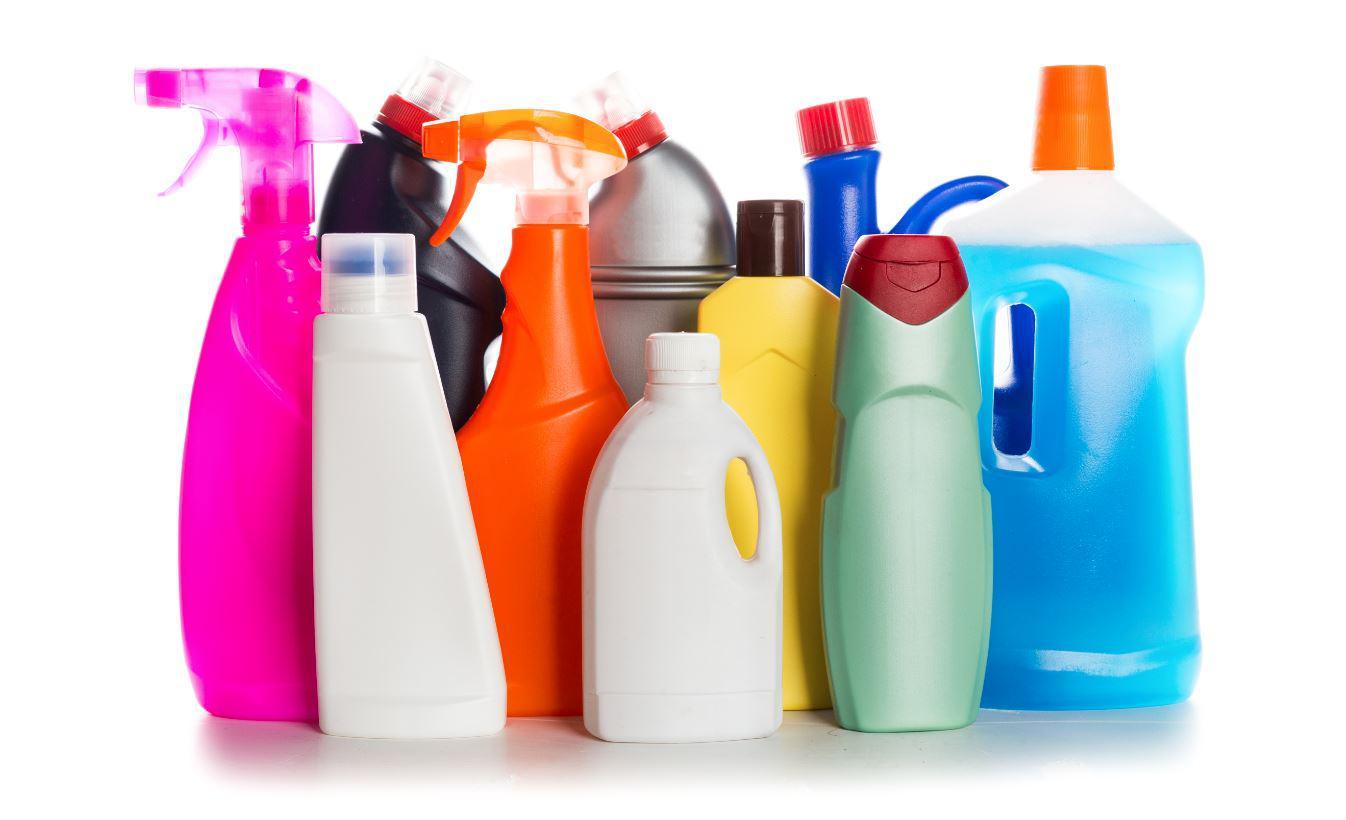
Chemical cleaners are usually made up of strong chemicals that can damage your skin if you aren’t careful. These products are not recommended for cleaning anything except for small areas because they are so harsh on the environment and on you. They may work well at removing rust stains, but it’s better to use them only as a last resort because there are other, safer options available.

Collection of colorful chemical cleaning products, including spray bottles and liquid cleaners, emphasizing their use in removing rust stains and cautioning about their harsh effects on skin and the environment.

Call a Plumber

Smiling man in a blue Gray Plumbing polo shirt, showcasing expertise in plumbing services and customer support.

If none of these methods work for you, call a plumber. A professional will know what chemicals work best at removing rust stains from sinks, tubs, toilets, and more! At Gray Plumbing, our experience with rust will help you to remove those stains and make your metal shine like new again. We will come prepared for any task, no matter how big or small. We are on call 24/7 to help you out of your plumbing predicament!

Why You Should Have A Plumbing Inspection Done Before Purchasing A Home

If you’re planning to buy a house, one of the first things you should do is get a plumbing inspection. Why? Because there are so many things that may go wrong with the plumbing, it is best to be aware of them before they occur.

Here are some reasons why you should have a plumbing inspection performed before purchasing a home:

Plumber inspecting sink with clipboard and checklist for plumbing inspection.

Know the Rebuilding Costs

If there’s any major damage to the plumbing system, it can cost thousands of dollars to replace it. If the pipes are old and need replacing, that can be an expensive project. It’s better to find out about these issues beforehand rather than after you buy the house. An expert inspector will be able to tell you if there are any problems with the pipes and how much they’ll cost to fix. This way, you’ll know how much money needs to be set aside for repairs instead of being surprised when you move in and find out that everything needs fixing!

Expected Maintenance Expenses

A good plumbing inspector will be able to tell you how long a particular part of the plumbing system should last and what kind of maintenance it will need along the way. Using this information, you’ll be able to estimate how much money you’ll need to spend on repairs in the future. It also helps you decide whether or not it makes sense to buy a home with existing plumbing problems or if it would be better to invest in a new system instead (or both).

Determine the Plumbing’s Lifespan

When you have an inspection done on your home’s plumbing system, the inspector will look at all of the pipes and fixtures to see how old they are and how well they’ve been maintained over time. If there’s any damage or corrosion, this could mean that some parts of your plumbing will need replacement sooner than expected. You’ll also find out whether or not there have been any repairs done on the system recently to see what needs to be done next time around.

Know if Any Plumbing Parts Need Replacement

During your inspection, your inspector will check for leaks, cracks, and other damage in your pipes and fixtures. If there is any damage, it might be time to replace those parts before they get worse and cause bigger problems for your home. This is especially true if there are parts that need replacing because they’re outdated or otherwise not up to current codes or standards.

Gives You Peace of Mind

A plumbing inspection gives you peace of mind knowing that everything is in good working order and that nothing unexpected will happen during your time living in the house! If you’re worried about your new home’s plumbing system, then getting it inspected can put those fears to rest. You’ll know if anything is wrong with it and what needs to be done to fix it before moving in.

So, if you’re looking to buy a new home and are concerned about how well the plumbing will hold up over time, give Gray Plumbing a call. We strive to provide thorough inspections and concise answers so that you can rest easy—which is something that anyone purchasing a new home could probably use. No matter what level of inspection you need, whether a general pass or an in-depth analysis, we got you covered. Give us a call today, and let’s know how we can help you!


Top Way to Detect and Prevent Tree Roots in Your Sewer Line

When you wash your hands, shower, or poop, you believe that the wastewater will be carried away without incident by the sewer pipes. If tree roots have penetrated the lines, the situation can quickly escalate into a serious nuisance. Here are the most effective methods for detecting and preventing tree roots from growing into your underground pipes.

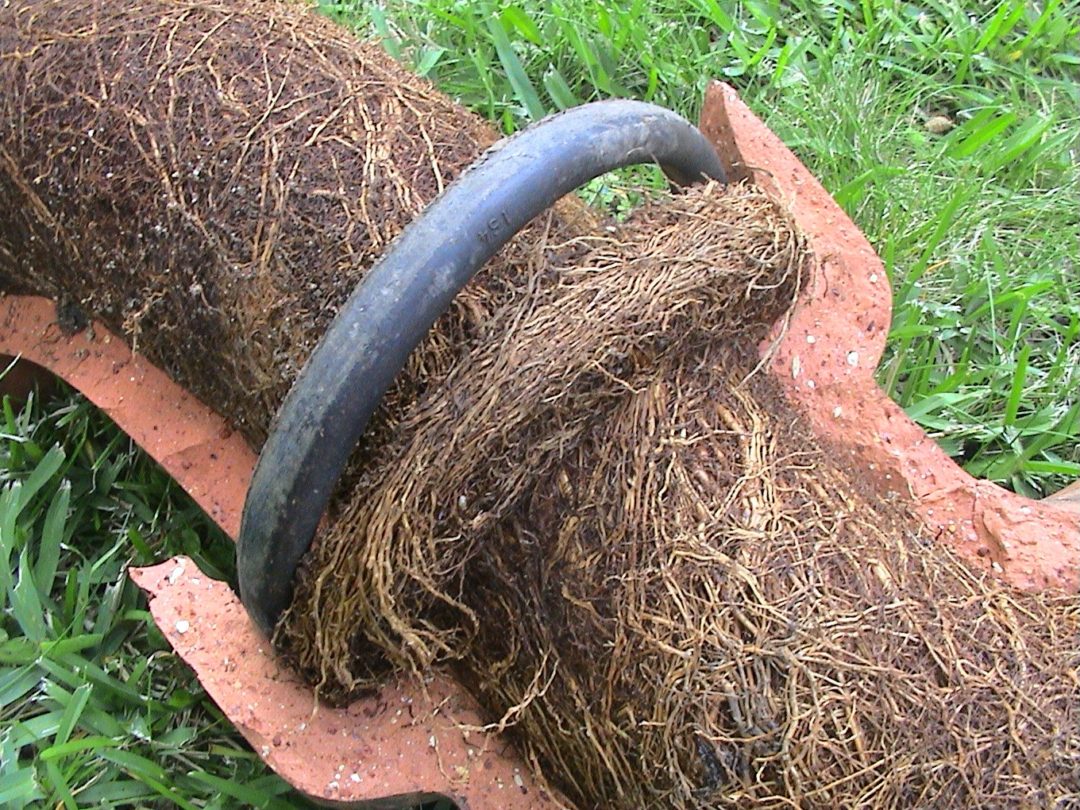
Tree roots infiltrating a sewer pipe, illustrating plumbing issues related to root intrusion and maintenance challenges.

How to Avoid Tree Roots in Sewer Lines

Enquire with your local sewer authority or a home inspector about the location of the sewer lines that run through your yard and into your house. Use this information to ensure that trees are planted away from sewer pipes.

Choose a slow-growing variety that develops to 20 feet or less if no other location is acceptable for a tree other than an area that goes over a known sewer line. Japanese maple, eastern redbud, common fig, and crabapple trees are examples of species that meet these requirements.

How to Detect and Repair Sewer Line Tree Roots

If your home’s plumbing consistently backs up or has other issues, it could be an indication that tree roots are creeping into your sewer system. You have a few choices for dealing with this problem:

  • Mechanically remove the roots: 

You may be able to cut through tree roots that have made their way into the pipes. A specialist sends a mechanical drill developed expressly for this purpose down the sewer line to slice the roots and allow them to flow out. This is only a temporary remedy – the roots will regrow – but it permits your pipes to run freely until you can find a more permanent solution.

  • Chemical root removal: 

After mechanical root removal, one alternative is to destroy the roots with chemicals. However, this can be risky, so if you go this way, you should seek the advice of an expert.

  • Using a video camera, investigate the problem: 

If you are unsure whether tree roots are the source of the problem or want to determine the scope of the problem, contact a professional plumber. Gray Plumbing inspects the sewer line using innovative video equipment to discover probable pipe damage.

  • Repair your sewer line: 

If the tree root damage is severe enough, trenchless sewer repair may be considered. This is when we repair the broken pipe by lining it with a long-lasting, seamless material that effectively produces a new pipe within the old one. Small access holes are all that is needed, allowing you to avoid the mess and expense of trench digging.

Conclusion

Preventing tree roots from entering your sewer system is ideal, but if you’ve already noticed signs of tree root invasion, call Gray Plumbing right once. With our sewer video inspection services, we’ll assess whether mechanical and chemical root removal is enough or if a full trenchless sewer repair is required. We will help you get your sewer system back on track. Please contact us today to learn more or to book a video camera examination.

How to Choose the Right Commercial Plumbing Materials and Fixtures

If you are remodeling or building a new commercial facility, you may wonder what type of plumbing is best for your business. Because every company has unique needs, understanding the advantages and disadvantages of various plumbing materials and how they affect your commercial space can be advantageous. While plumbing design is best left to professionals, company owners, property managers, brokers, and homeowners can benefit from understanding more about what to expect when picking plumbing materials and fixtures. Here are some of the most common:

Professional plumber from Gray Plumbing Inc. wearing a blue uniform with company logo, smiling against a textured dark background.

Cooper Pipes

Copper is an extremely durable material that has been used in plumbing since the 1960s. Other materials have since been introduced, but copper remains one of the better options. The biggest disadvantage of copper pipe is its expensive cost and the fact that it requires soldering and additional fittings. When exposed, copper piping is enticing to burglars due to its high value.

Stainless steel pipes

Although stainless steel pipes are far more durable than copper pipes, they are far more expensive. They are employed in highly corrosive conditions, such as coastal locations. This material has the following advantages: Corrosion-resistant and durable pipes, as well as flexible and stiff pipes, are offered. There are numerous sizes and lengths available too.

Cast-Iron Pipes

Cast-iron plumbing fixtures are frequently utilized as main sewer lines to commercial buildings and for water distribution in these facilities since they are designed to withstand high pressure and carry huge amounts of liquid. These pipes provide improved fire protection and noise reduction for garbage disposal in apartment buildings and condominium complexes.

PVC Pipes

They are commonly used in both home and commercial settings. Because this material reacts poorly to prolonged heat or ultraviolet light exposure, it is best suited for indoor and drainage applications. PVC pipes are often rigid, necessitating the use of fittings to make twists and avoid obstacles. In freezing temperatures, PVC materials, unlike PEX pipes, will split or break rather than expand.

CPCV Pipes

Another low-cost option is chlorinated polyvinyl chloride (CPVC), which can provide reliable performance in commercial buildings and facilities. CPVC pipes can withstand high temperatures and are commonly used in the delivery of drinking water and other water supply applications. However, unlike PVC, CPVC will break rather than grow when exposed to freezing fluids.

Brass Pipes

Brass pipes and fittings are rustproof and corrosion-resistant, making them one of the most durable and long-lasting options for commercial plumbing projects. Brass threads more easily than stainless steel pipes and can securely transport both hot and cold water.

Working with an expert plumber for commercial buildings ensures you get the finest advice on reliable and cost-effective options. Select a company with the knowledge, skills, and equipment to keep your family safe and your plumbing system running efficiently. Gray Plumbing has been serving Solano County and the Bay Area for over two decades and is popular for its dedication to customer satisfaction and high standards. Timeliness, competence, client courtesy, and good craftsmanship are all goals we strive for. Please contact us at (707) 600-2969 or on our website if you have any queries.


Three Most Common Faults in Plumbing and Ways to Fix

Homeowners must expect plumbing troubles. In addition to aged fixtures and typical wear and tear on plumbing equipment, how certain systems are used and maintained can cause complications.


Here are the three most common difficulties, causes, and solutions.

Slow or Clogged Drains

If drainage issues are not addressed quickly, they can cause health hazards and even plumbing disasters! Generally speaking:

⦁ The presence of one slow or clogged drain in a home usually indicates a limited issue. Typically, these drain clogs occur as a result of hair, soap, and other foreign objects that have simply built up in a drain over time. Routine drain cleaning may be the ideal solution to this problem!

⦁ Multiple slow or clogged drains are a warning sign that you may have sewer line issues. To avoid a sewage backup in your home, call a plumber whenever you notice multiple slow drains—especially if the problem begins with the drains in the lowest areas of your home!

Low Water Pressure

Low water pressure makes any plumbing system difficult to use. To fix this, you must first determine the problem’s primary cause. So, first, check the water pressure in your hot and cold taps.

Decalcification of the aerator causes reduced water pressure. However, keep in mind that this plumbing issue can also be a symptom of more serious issues such as hidden water leaks in the home, clogged sewer lines, and pipe corrosion.

That is why it is critical to identify the issue before looking for a solution. If mineral deposits on the aerator are the primary problem, soak it in vinegar to clean it.

You can do the same with your showerhead. Simply disassemble it and clean any dirt or soap from it. Then, using a toothbrush soaked in vinegar, scrub and loosen mineral deposits.

After that, a toothpick or something similar can be used to remove any remaining deposits. Following that, soak the parts in vinegar overnight to dissolve any remaining deposits.

Leaky Pipes

You may not realize that your bathroom or kitchen pipes are leaking until they are thoroughly inspected. Nonetheless, it’s a common plumbing issue during the winter, when water can freeze and burst pipes.

You must act quickly since irrevocable harm may be done to your furnishings and floor. Regular inspections ensure long-term pipe repair or replacement, saving you time and money.

Pipes can now leak for a variety of reasons, including corrosion, excessive water pressure, stubborn clogging, and cracked pipes or seals. Regardless of the cause, you cannot ignore the problem because it will wreak havoc on your plumbing system and home.

However, if you lack the necessary skills, tools, and equipment to deal with the problem, contact a professional plumbing contractor to avoid further damage.

All of these concerns are easily avoidable and/or resolvable. Be aware of any warning signs your plumbing may be giving you about potential problems. When you need assistance,

Professional plumber from Gray Plumbing Inc. wearing a blue uniform with company logo, smiling against a textured dark background.

contact Gray Plumbing, and we will assist you in getting your plumbing system back up and running.

Five Types of Pipes Used in Plumbing

Plumbing supplies are used for domestic and commercial plumbing applications. There are several different types of plumbing pipes, all of which have their own benefits and drawbacks. Therefore, before selecting a pipe for your particular plumbing project, it is important to know the different kinds of pipes available in the market. Here are five types of pipes that you should be aware of:

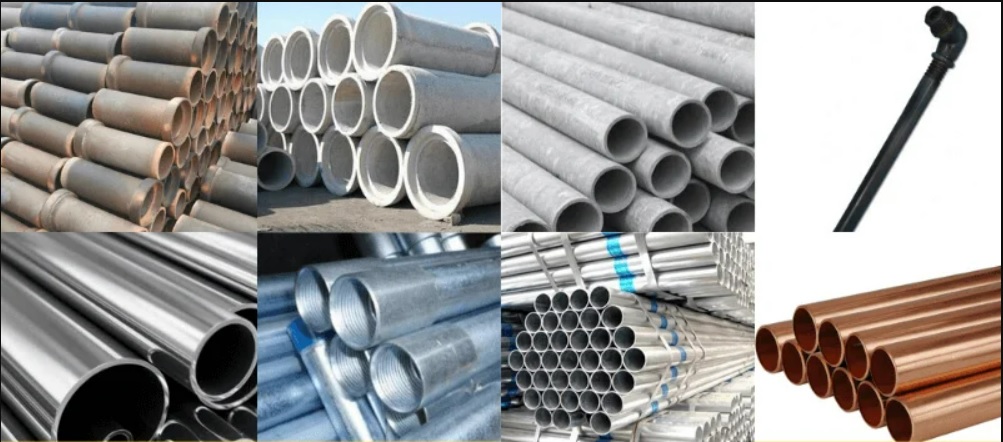
Various types of plumbing pipes, including copper, PVC, and metal, arranged in stacks and groups, showcasing different materials and sizes relevant to plumbing applications.

Copper Pipe

Copper piping is the first choice because it is rigid, non-combustible, and resistant to corrosion. It comes in lengths of up to 12 feet and can be joined with fittings, soldering, or compression joints. Although copper resists corrosion well when constantly supplied with water, it does corrode when exposed to air or soil for extended periods of time. Copper pipe begins to corrode as soon as it has been installed and exposed to air or soil.

PVC

PVC is a durable and inexpensive plastic pipe that is used for many different plumbing, water supply, and drainage projects. It is most commonly used in commercial buildings and houses with newer plumbing systems. PVC is resistant to corrosion and chemicals. This type of pipe will come in many different schedules (wall thicknesses). Depending on your planned use, it will be important to choose the appropriate schedule for the job.

PEX

PEX is short for cross-linked polyethylene. This type of plastic tubing was developed as an alternative to copper tubing in the 1980s. PEX has undergone some changes since it was first introduced and now comes in different formulations such as PEX-A, PEX-B, or PEX-C. Each formulation has different performance characteristics, but all are flexible, durable, and easy to install. This type of tubing resists corrosion, abrasion, and freeze-breakage. It is also able to withstand high temperatures (up to 200 degrees Fahrenheit) and pressures (up to 150 psi).

Polyethylene

This type of pipe is used more often in outdoor plumbing applications, like irrigation systems and swimming pools. The biggest benefit that polyethylene offers over other types of pipes is its flexibility. It’s easy to work with & easy to install, making it a popular choice for many homeowners. Polyethylene is a durable material that can withstand the effects of weathering and corrosion. However, it’s vulnerable to damage from ultraviolet rays, which means it will eventually wear out when exposed to sunlight over time.

Galvanized Steel

This is arguably the most prevalent type of steel pipe. It is capable of delivering both cold and hot water, as well as trash. This type of piping has a long history dating all the way back to the nineteenth century, which means it has a strong track record for longevity and durability. The only downside with this kind of pipe is that it has a tendency to corrode over time if it’s exposed to chemicals from harsh cleaning agents or minerals from hard water.

We hope that this post has helped you learn about all of the different pipes that are used in plumbing and how they are different from each other. The decision on which pipe you will use will depend on your project and what type of job you’re looking to have done. If you’re looking for help, call Gray Plumbing: we have experienced plumbers ready to help. Simply call us, and our plumbers will be glad to outline their pros and cons for you.


The Smelly Water In Kitchen And Bathroom Is A Plumbing Problem?

Yes, if you notice certain foul scents emanating from your drains and pipes in the bathroom and kitchen. It’s a plumbing problem, and we don’t want it in our house! The smell of plumbing is awful. That is simply the truth of life! There are numerous Fairfield plumbing services firms available to assist you. So, if you notice a foul odor from your drains or pipes, you are not alone. The issue is far more widespread than you may believe. You could be dealing with a plumbing problem and a potential health risk. Here are a few of the causes for why it stinks.

Woman holding a glass of water, pinching her nose in disgust, indicating a foul smell, reflecting plumbing issues related to drains and pipes.

Problems With Your P-Trap

The P-trap is the curved section of the pipe beneath the sink that looks like a “p” or “u.” It separates the drain line from the fixture, preventing obnoxious odors. The trap blocks the smell under each institution, which holds water at the bottom of the curve. A sewage odor will emanate from the sink if the P-trap is clogged. If the sink is used frequently, you can rule out evaporation as an odor source.

Clogged Drains

A blockage in the drain, which can grow smelly, is another likely culprit that’s a little disgusting but relatively straightforward to fix. A plunger can usually clear the clog, but a plumber may need to use a drain snake to clear it out if that doesn’t work. To address the problem, it’s sometimes essential to entirely remove the P-trap.

There is a leak

Both sides of the P-trap have easy-to-remove connectors. Remove the P-trap by unscrewing the connectors. Keep in mind that it could be flooded! While you’re at it, check the pipe for leaks and clean it thoroughly. Take precise measurements, write them down, and make sure you purchase the same size replacement trap if you locate a leak. Replace the P-trap if you haven’t identified a leak using this procedure, then move on to the following possible reason.

A Blocked Vent

At least one primary vent exits through the roof of every home. Most local standards require at least four inches in diameter, and all fixtures must be vented. This causes the air in the piping to “vent,” allowing the water to flow through the pipe freely. If the vent becomes clogged, the water will not drain properly.

Bacterial Growth

The simple-yet-troubling issue of bacteria and biofilm accumulation is frequently the source of a particularly stinky plumbing scenario. Consider everything you rinse down your drains. Food, hair, dirt, and personal care products like shampoo and soap can all become stuck in the pipes and turn into stinky sludge over time.

Although some of the repairs are simple enough for the ordinary homeowner to complete, you should consider your comfort level and expertise before embarking on a project like this. You could clean drains or replace the wax ring on a toilet if you’re handy. If you’re not sure where the scent is coming from or not comfortable with home repairs, it’s probably better to hire a professional. Please contact our experts at Gray Plumbing at 707-600-2969 for all your plumbing needs! Even the most challenging difficulties are no match for our team’s expertise, which comes from years of hands-on experience.

Ways To Fix Low Water Pressure Problem In Taps

If you’ve ever battled to rinse the shampoo out of your hair, washed your hands under a trickle of water, or waited what seemed like an eternity for your washing machine to finish a cycle, you’ve dealt with the annoyance of low water pressure. Low water pressure can make routine activities difficult, but if you discover the source, either a plumbing adjustment or a water booster pump will significantly enhance your water pressure. As your trusted plumber Fairfield CA experts, we’ll share some ways to fix low water pressure problems in your taps.


Remove the Blockages

Mineral deposits can accumulate in your pipes over time, and the condition can be exacerbated if you have hard water. In severe cases, the diameter of the pipes shrinks until they clog, stopping water from easily passing through and suffocating the house water pressure. This results in a dismal drip in the shower or a trickle from the faucet.

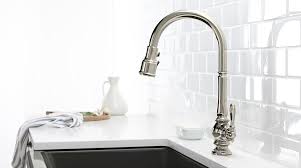
Modern kitchen faucet with a sleek design, positioned over a clean countertop, highlighting plumbing solutions for improving water pressure.

While difficult situations necessitate the replacement of sections of pipe, you can treat certain clogs on your own. In reality, you may clear out the clogs at your system’s departure points by dissolving any minerals that are clogging the pipes inside your faucet fittings and showerheads.

Install a Water Pressure Booster 

If you’re still asking, “why is my water pressure so low at times?” it’s possible that the issue isn’t with you but with your community. That comes as no surprise: water pressure is influenced negatively by gravity and distance. If your domestic water supply is forced to travel uphill or a long distance from the municipal water source, the pressure may be compromised. Consider adding a water pressure booster pump to improve the flow rate of the water when it reaches your home.

Replace the Regulator 

Many homes using public water have a regulator installed at the meter or where the service line enters the property to prevent flooding and water hammer. When the regulator breaks, the pressure steadily drops, affecting some or all of your home’s fixtures.

Open the Main Water Valve

Occasionally, the main valve is mistakenly turned off during routine repairs and maintenance without the homeowner’s knowledge. If, for example, your decline in water pressure corresponds with recent home improvements, the contractor may have cut off the main water supply and just partially reopened the valve at the end of the job. As a result, water flow and pressure are constrained. Fortunately, the valve is easily adjusted without a plumber’s help.

Test the Pressure

Before contacting your local water agency, you can check the municipal water pressure yourself by connecting to the city water main using a water pressure measurement gauge and a hose connector. Simply connect the device to a hose faucet and turn it on. Turn off all of your home’s faucets and any water-using appliances before you begin (such as the dishwasher and washing machine).

Don’t trust anyone with your whole-house water pressure issue. – call Gray Plumbing – we’re your go-to residential and commercial plumbing contractor, ready to serve you.

5 Ways To Unclog A Bathroom Sink

The bathroom is the one place you’re supposed to go after a hard workday. It’s where we shower and clean up, it’s where we get ready to go out and meet with friends, and more than anything else, it’s the one place when there is nothing but solitude. Sadly, however, this can be disrupted by an irritating clogged sink. 

Under-sink plumbing system with a black P-trap and metal pipe connection, relevant to bathroom sink maintenance and plumbing issues.

A slow-draining drain or pooling water are signs that your sink is probably just hiding a clog somewhere in its inner depths—and before you know it, you need help from a Fairfield plumbing expert. Fortunately, various methods for unclogging bathroom sinks do not require professional assistance. While not always efficient, these methods save us time and money.

1. Boiling Water

This works surprisingly effectively for certain bathroom clogs, particularly those caused by soap scum. When the drain is slow, and there isn’t a lot of tepid water in the sink, boiling water is most efficient. Fill a kettle or large saucepan halfway with water and bring to a boil. Three or four steps are required to flush the water down the drain. If this method is successful, the benefits should be visible pretty quickly.

2. Baking Soda and Vinegar

This is an old drain unclogging method that has proven quite effective in bathroom sinks. Mix 1/3 cup baking soda and 1/3 cup vinegar in a measuring cup. This combination will immediately bubble and should be dumped down the drain. The fizzing action is responsible for the elimination of hair and debris. Remove from heat for an hour before flushing with hot water to remove any remaining residue.

3. Remove the P-Trap

If the vinegar or baking soda treatments don’t work, you may need to manually unclog the drain. A plumber is not needed for the p-trap. In your home’s plumbing system, the p-trap is the curved pipe beneath your sink that gathers debris. Remove the u-shaped pipe (the p-trap) beneath your sink with a wrench or pliers. Empty the p-trap and rinse it in another sink. Then, to test for a clog, replace it.

4. Sodium Hydroxide

This substance, also known as caustic soda, must be handled with care since it can burn the skin. Rubber gloves and eye protection are required. Preferably use cold water with caustic soda instead of boiling water. Like baking soda, it will fizz. But this time, it produces heat. So, after 30 minutes in the drain, it cuts through the clog. If the normal flow is not restored, continue the procedure with boiling water.

5. Wire Hanger

Do you need to put stuff you have lying around the house? Why not try a bent wire hanger? The wire hanger’s small hook can be inserted past the drain cap to fish out any obstruction. Normally, your drain will produce muck, hair, and potentially hazardous materials. After removing as much trash as possible, make sure to clear the passage with hot water.

Contact Us Today!

If the drain still doesn’t unclog after trying a few of these tips, it could be due to a much larger problem. Choose Gray Plumbing for an expert assessment of your bathroom sink and drainage system, and we’ll get it back to working smoothly again. Our technicians promise to get the job done right the first time.