
Signs You Need Water Line Replacements or Repairs
Many homeowners rarely think about their water lines—until disaster strikes. Suddenly, these often-overlooked pipes become the center of attention as chaos reigns in the household. In a race against time, families jump into action to tackle repairs, eager to prevent water damage and bring peace back to their homes. It’s a high-pressure moment that transforms everyday life into a frantic mission, reminding us just how crucial our plumbing systems are.
Spotting the early warning signs of a malfunctioning water line is crucial for homeowners wanting to avoid more serious issues down the road. By addressing these signs promptly, costly repairs and disruptions can be avoided. Plumbing experts emphasize the importance of staying vigilant. They’ve outlined key indicators to watch for that can help gauge the severity of the situation and decide when to bring in a professional.
Evidence of Rust and Corrosion
 Rust and corrosion are more than just unsightly—they’re warning signs of a failing water line that demand immediate attention. Ignoring these issues can not only weaken the plumbing system but also jeopardize water quality and result in expensive repairs down the road. Taking action now is essential to protect the home and prevent potential costs.
To determine if the water lines are corroding, these are the signs or indicators to watch for:
- Discolored Water: Brown, orange, or cloudy water is often caused by rust buildup inside the pipes.
- Unpleasant Taste or Smell: Corroded pipes can cause a metallic or foul taste and odor in water.
- Decreased Water Pressure: As corrosion builds up, it narrows the pipes, reducing water flow and causing noticeable drops in water pressure.
The corrosion of pipes, valves, and fixtures can compromise water quality by releasing metal particulates and other contaminants that may find their way into the drinking water supply. If these warning signs appear, prompt action is essential. A professional plumber should assess the extent of the damage and determine whether pipe replacement is necessary. Addressing corrosion early helps restore water quality, maintain proper water pressure, and extend the plumbing system’s lifespan. Regular maintenance and timely repairs can save significant time, money, and inconvenience in the long run.
Water Leaks
 Water leakage can be a sneaky villain in our homes, whether it’s just a minor trickle or a full-blown flood. This pesky problem can lead to serious structural damage, moldy mildew lurking in the shadows, and sky-high repair bills. So, what causes this unwelcome intruder? It often stems from damaged pipes, faulty plumbing fixtures, or roofing that just can’t hold its own anymore. Keeping an eye on these potential culprits can save you a lot of hassle—and money—in the long run. While some leaks can be easily fixed, others may indicate that it’s time to replace aging pipes or address severe damage.
There are numerous signs of water line leaks to watch for, including:
- Increased Water Bills: An unexplained spike in water bills could indicate a hidden leak wasting water.
- Wet Spots on the Lawn or Inside the Home: Soggy areas in the yard during dry weather or damp spots on floors and walls are strong indicators of a water line issue.
- Reduced Water Pressure: Similar to the effects of pipe corrosion, leaks can lead to a noticeable drop in water pressure as water escapes the system.
If signs of a water leak are present, contact a qualified plumber to assess the situation and perform any necessary repairs or replacements, which is important.
Signs of Aging
Water lines are often considered durable fixtures that will last indefinitely, but even the most reliable systems require maintenance and eventual replacement. The lifespan of a plumbing system largely depends on the type of pipes installed:
- Galvanized Steel Pipes Typically last 40–50 years.
- Copper Pipes: Generally last 50–70 years.
- PVC Pipes Can last 50+ years, though factors like environmental conditions can shorten their lifespan.
As pipes age, they are more likely to leak and are prone to corrosion and structural failure. If your plumbing system is over 40, scheduling a professional inspection is important to assess its condition and identify potential risks.
Although repiping a home may seem costly, it is a proactive investment that offers long-term benefits. Replacing aging pipes helps prevent water damage, reduces emergency repair costs, and enhances the plumbing system’s efficiency and reliability.
About Gray Plumbing Inc.
Gray Plumbing Inc. provides quality plumbing services to Solano County. They offer flat-rate pricing and on-time services to ensure customers are happy with their work. Call them today for water line repairs and replacements in Fairfield, CA.
)
Distribution Links +
- https://smb.demopolistimes.com
- https://smb.elizabethton.com
- https://smb.greenvilleadvocate.com
- https://smb.jessaminejournal.com
- https://smb.kenbridgevictoriadispatch.com
- https://smb.leaderpub.com
- https://smb.luvernejournal.com
- https://smb.selmatimesjournal.com
- https://smb.thesnaponline.com
- https://smb.troymessenger.com
- https://smb.windsorweekly.com
- https://smb.clemmonscourier.net
- https://smb.gatescountyindex.com
- https://smb.harlandaily.com
- https://smb.irontontribune.com
- https://smb.ourdavie.com
- https://smb.state-journal.com
- https://smb.thecharlottegazette.com
- https://smb.thecoastlandtimes.com
- https://smb.theinteriorjournal.com
- https://smb.thetidewaternews.com
- https://smb.tryondailybulletin.com
- https://smb.winchestersun.com
- https://smb.farmvilleherald.com
- https://smb.salisburypost.com
- https://smb.shelbycountyreporter.com
- https://smb.smithfieldtimes.com
- https://smb.suffolknewsherald.com
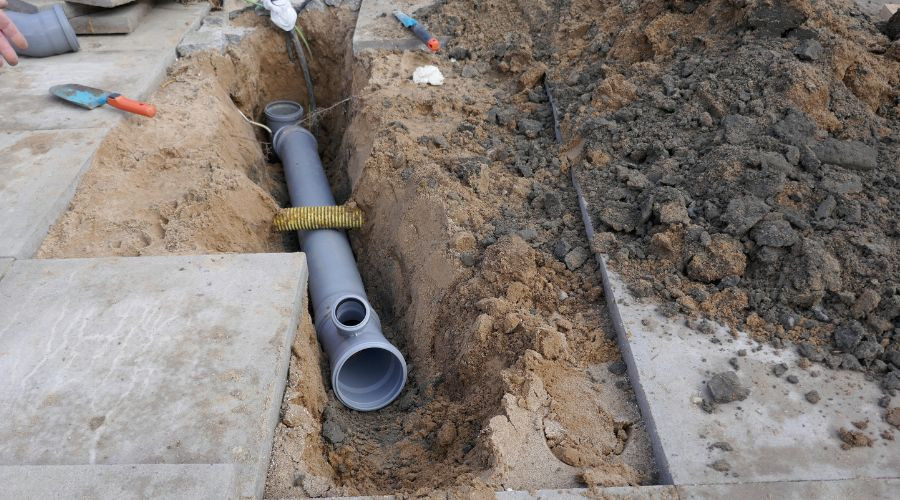
 When it comes to sewer line issues, trenchless sewer pipe repairs can be a great solution for various problems, such as age-related corrosion, minor misalignment,
  When deciding between traditional sewer line repairs and trenchless sewer pipe repairs, the latter d. Some of the key benefits of trenchless sewer line repairs and replacements over traditional plumbing excavation methods include:
)